Road Rage in Canada: Keeping Your Cool Matters
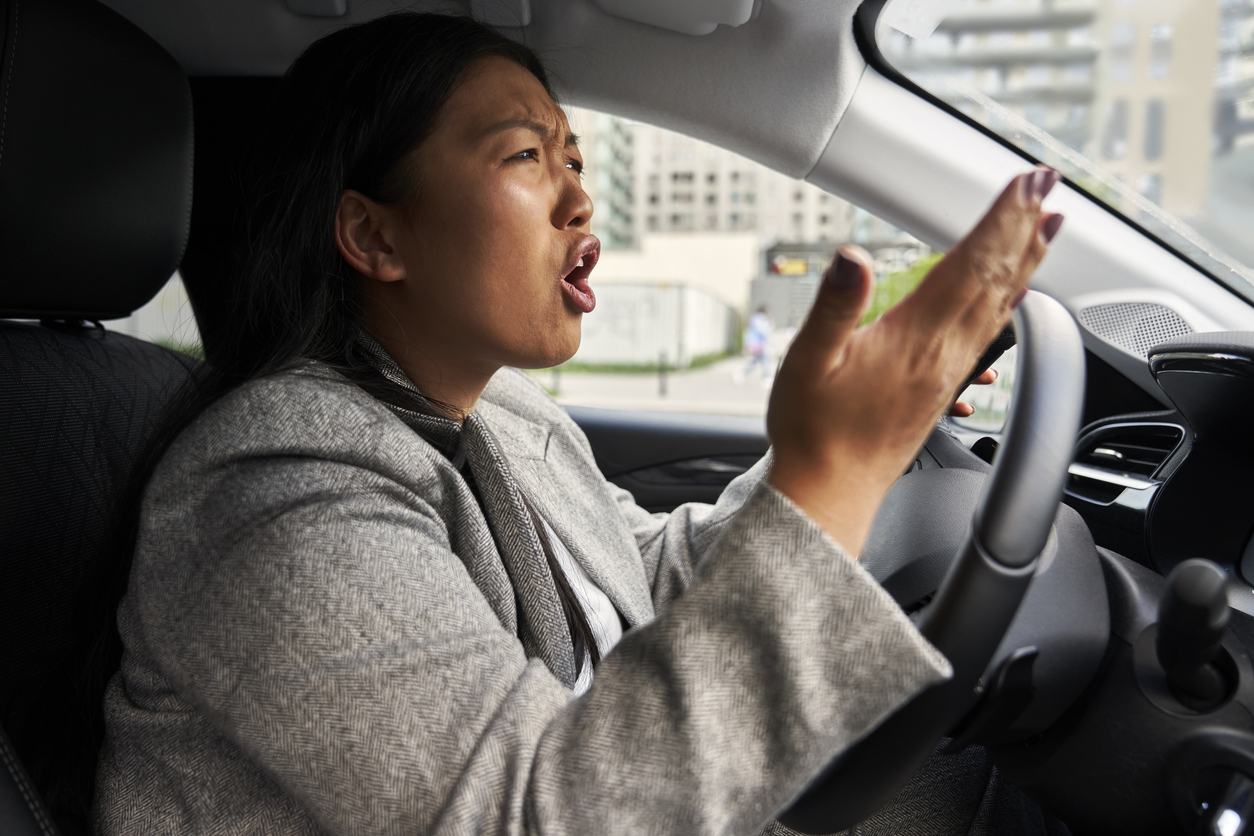
Road rage can have serious consequences for your safety, your finances, and everyone else on the road. While most Canadians never become involved in a serious confrontation, aggressive driving appears to be becoming more common, and the summer months can create the perfect conditions for tempers to flare.
Recent Canadian surveys found that more than half of drivers admit to engaging in at least one aggressive driving behaviour, while approximately eight out of ten have witnessed road rage on our roads. Younger drivers report higher rates of both participating in and witnessing these behaviours.
Why Summer Can Fuel Road Rage
Although road rage can happen any time of year, summer often brings together several factors that increase frustration behind the wheel:
- Heavier traffic due to events, vacations and road trips
- More construction zones and detours
- Higher temperatures, which can increase stress and irritability
- More motorcycles, cyclists and pedestrians sharing the road
- Drivers feeling rushed to enjoy downtime and summer events
Ontario also experiences its highest number of fatal traffic collisions during the summer months, making calm, defensive driving especially important. While not every collision involves road rage, increased traffic volume and aggressive driving behaviours can contribute to crashes.
The Consequences Can Be Serious
What starts as a moment of frustration can quickly become expensive or even life-changing.
Drivers involved in aggressive driving or road rage incidents may face:
- Traffic tickets and significant fines
- Demerit points
- Criminal charges if threats, assaults, or dangerous driving occur
- Vehicle damage and injuries
- Increased insurance premiums following an at-fault collision
- Civil lawsuits if others are injured
Even if another driver behaves aggressively, responding emotionally often makes the situation worse.
Tips to Keep Your Cool
The safest response is usually the simplest one:
- Leave a little earlier so you're less rushed.
- Keep a safe following distance.
- Don't make eye contact or respond to angry gestures.
- Allow aggressive drivers to pass rather than compete with them.
- Avoid using your horn unless it's necessary for safety.
- Remember that you don't know what someone else may be dealing with.
- If you feel yourself becoming frustrated, take a few deep breaths and focus on arriving safely, not quickly.
- If another driver becomes threatening, avoid stopping to confront them. If necessary, drive to a busy public location or police station and call emergency services if you feel you're in immediate danger.
Safe Driving Protects Everyone
Most drivers don't set out intending to become involved in road rage. A stressful day, heavy traffic, or one poor decision can quickly change the tone of a drive.
Choosing patience, courtesy, and defensive driving helps protect you, your passengers, and everyone sharing the road. It may also help prevent costly insurance claims and keep your driving record clean.