Radon Awareness: Why Canadian Homeowners Should Test This November
What Is Radon?
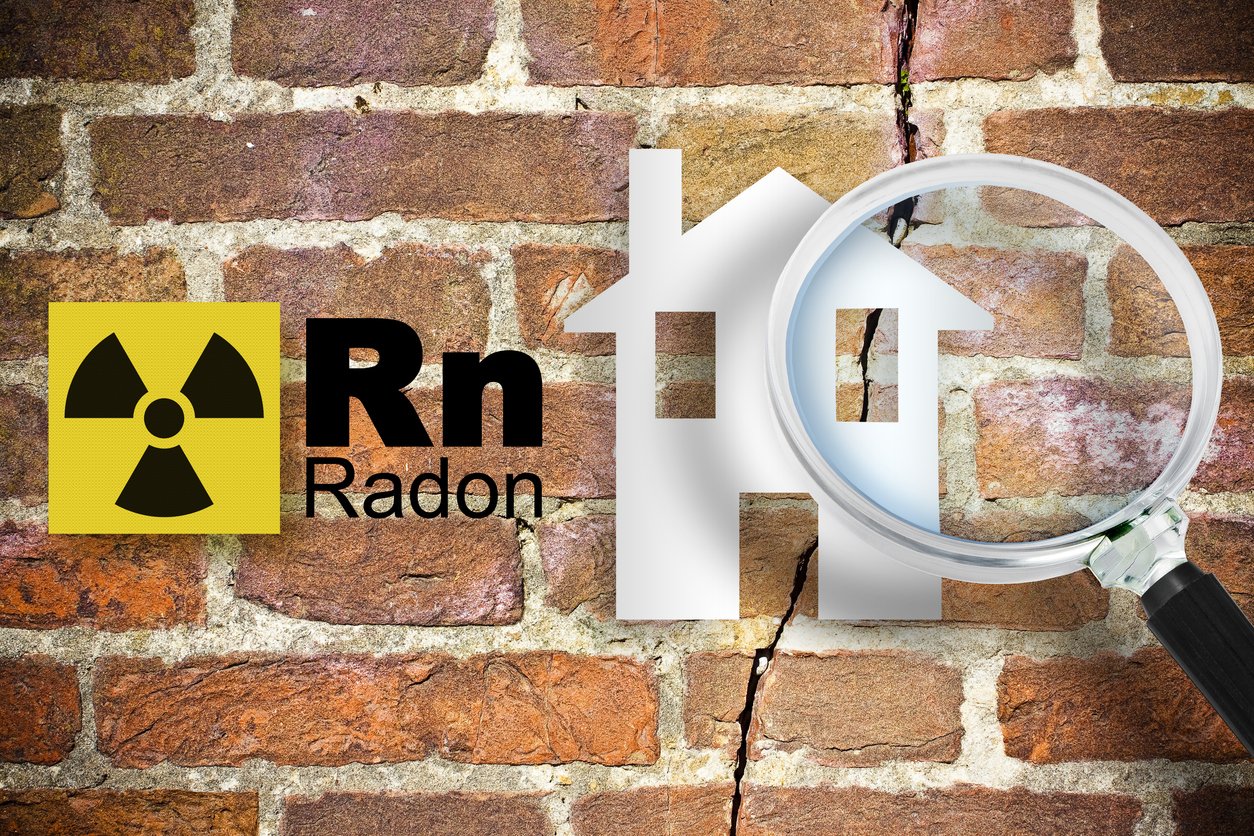
Radon is a naturally occurring radioactive gas that forms when uranium in soil and rock breaks down. It moves up through the ground and can enter homes through cracks in foundations, floor drains, sump pumps, or gaps around pipes. While it’s harmless outdoors, radon can accumulate indoors, particularly in basements and crawl spaces, to levels that pose serious health risks.
Why Does Radon Occur?
Every home has some level of radon, but concentrations vary based on geography, building design, and ventilation. Areas with uranium-rich soil or poor airflow are more prone to higher radon levels. In Canada, many regions, including parts of Ontario, Manitoba, Saskatchewan, and New Brunswick, have elevated radon levels.
The Health Risk: Lung Cancer
Radon is the second leading cause of lung cancer in Canada, after smoking. Health Canada estimates that about 16% of lung cancer deaths are linked to radon exposure, roughly 3,200 Canadians each year. The risk is especially high for smokers exposed to radon, as the combination dramatically increases the chance of developing lung cancer.
How to Test for Radon
Testing your home is simple and affordable. You can purchase a long-term radon test kit online or at a hardware store, or borrow one; many libraries across Canada now lend radon test kits to residents. Long-term tests (lasting 3 months or more) provide the most accurate reading of your home’s radon levels.
What If You Find Radon in Your Home?
If your test results show radon levels above the Health Canada guideline of 200 becquerels per cubic metre (Bq/m³), you should take action. Certified radon mitigation professionals can install ventilation systems or seal entry points to effectively reduce radon levels. Most mitigation systems can lower radon by more than 80%.
Protect What Matters Most
Testing your home for radon takes little effort but delivers peace of mind. You can purchase a test kit, borrow one from your local library, or hire a certified radon professional. Stay safe this November by taking action against this invisible threat.