How Canadians Can Prepare for Emergencies Before They Happen
Emergencies don’t wait for a convenient time. Each year, Canadians are encouraged to take part in Emergency Preparedness Week, running May 3 to 9 in 2026. This national awareness campaign highlights how quickly situations like severe weather, flooding, or power outages can disrupt everyday life, and how a little preparation can go a long way.
Understanding what risks are most likely in your area and taking simple, proactive steps can help protect your household when it matters most.
Why Emergency Preparedness Week Matters
Emergency Preparedness Week has been held annually for over 25 years, typically during the first full week of May. It’s led by Public Safety Canada and supported by organizations across the country to educate and empower Canadians.
The goal is simple: help people understand their risks and take action before an emergency happens.
Emergencies can disrupt daily life quickly, leaving families without power, water, or access to services. Being prepared helps reduce stress, improves safety, and allows households to respond faster and recover more effectively.
Understanding Your Family’s Risks
Every region in Canada faces different risks. Coastal areas may face hurricanes, while inland regions may experience wildfires, floods, or severe storms.
To better understand your risks:
- Research common emergencies in your area
- Pay attention to seasonal risks (spring flooding, summer storms, winter weather)
- Stay informed through local alerts and emergency services
Knowing what could happen is the first step toward being ready.
Simple Actions Families Can Take
Emergency preparedness doesn’t have to be complicated. In fact, most guidance focuses on three simple steps:
- Make a Plan: Create a household emergency plan so everyone knows what to do, where to go, and how to stay in touch. Plans help families act quickly and reduce confusion during stressful situations.
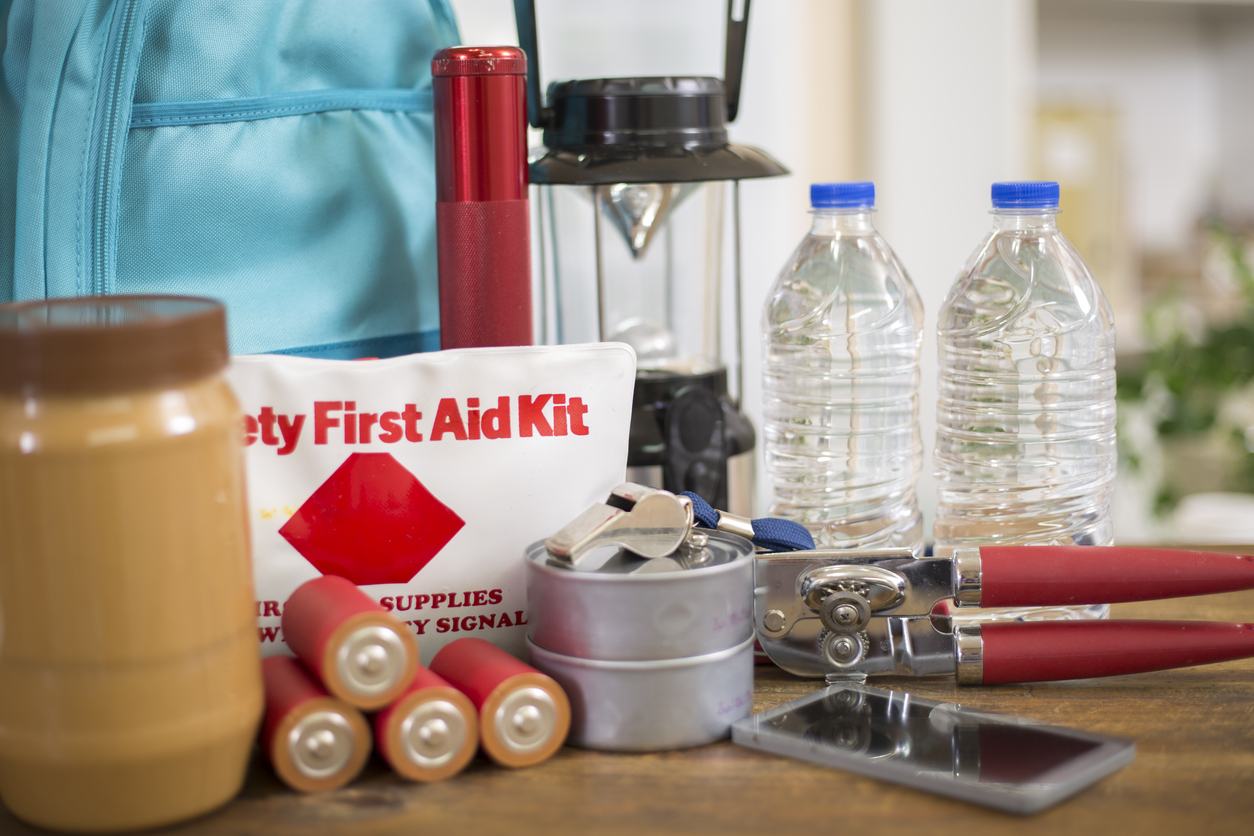
- Build an Emergency Kit: Prepare a kit with essentials like water, non-perishable food, flashlights, batteries, medications, and important documents. Aim to be self-sufficient for at least 72 hours.
- Stay Informed: Know how you’ll receive emergency alerts and updates. Staying informed can make a critical difference in how quickly you respond.
Don’t Forget Your Pets
Pets are family too, and they rely on you in an emergency. Be sure your preparedness plan includes:
- Food and water for your pets
- Leashes, carriers, and identification
- Any medications or special care items
Planning ahead ensures their safety and reduces added stress during an already challenging situation.
Final Thoughts
Emergency Preparedness Week is about being proactive, not reactive. By learning about local risks, putting a clear plan in place, and assembling a basic emergency kit, families can feel more confident and in control. Including pets in your planning ensures your entire household is protected. Even small efforts today can make a meaningful difference during an emergency.