Essential steps to prepare for a power outage
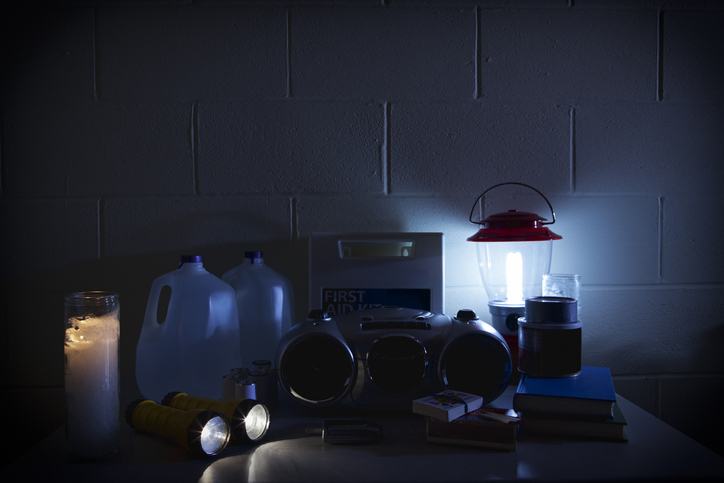
Power outages are a frustrating inconvenience. Whether it's an ice storm knocking out lines in Ontario, a nor'easter hitting the Maritimes, or a summer heat wave straining the grid in the Prairies, an outage disrupts daily life and leaves you without the electricity we all take for granted. Every time the power flickers back on, we tell ourselves, “Next time, I'll be ready" and then promptly forget, right up until the fridge stops humming again.
Not this time.
This time, you'll prepare, so you're ready the next time the lights go out. Here's how to keep the inconvenience to a minimum.
How to prepare yourself for a power outage
Getting ready ahead of time is key to keeping your household and home safe during an emergency. A little proactive planning now means you can navigate the situation calmly later. Once your plan is in place, revisit it regularly so it keeps up with your changing circumstances such as a new baby, pet or aging parents moving in.
Put together an emergency kit. Your exact list will vary, but a solid starting point includes:
- Flashlights
- Batteries
- First aid kit
- Battery-powered or hand-crank radio
- Non-perishable food
- Bottled water
- Extra blankets or sleeping bags
- Necessary medications
- A backup power source for medical devices
- Anything specific to your household, like extra diapers or pet food
Public Safety Canada's Get Prepared program recommends every household have enough supplies to be self-sufficient for at least 72 hours.
Create a household evacuation plan. Map out meeting points and escape routes and walk your family through the plan so everyone knows where to go and what to do. Practising it once in advance makes a real difference if it's ever needed for real.
Keep food, water, and prescriptions stocked. Aim for enough to get your household through a few days. Rotate your emergency supplies periodically so they stay fresh, and refill prescriptions a few days early so you're never down to your last dose. If someone in your home relies on powered medical equipment, plan for backup power or alternative accommodations during a prolonged outage.
Plan for surge protection. Surge protectors or an uninterruptible power supply (UPS) can protect sensitive electronics from the power surge that sometimes comes when service is restored.
Consider a portable generator. Generators can serve as a backup power source, but they're serious pieces of equipment. Read reviews, understand the risks and decide whether one makes sense for your household.
Fuel up and charge up. Keep your vehicle's tank topped up in case you need to leave and keep phones, laptops and other devices charged. During an outage, limit use to conserve battery.
Print or download key documents and keep them somewhere waterproof and easy to grab. A good starting list:
- Identification
- Insurance policies
- Emergency contacts
Stock up on light sources. Keep a healthy supply of batteries and matches on hand, and consider:
- Flashlights
- Lanterns
- Candles (use with caution)
- Battery-operated or solar LED lights
What to do during a power outage
Once the power's out, safety comes first. Use your judgment on how to apply the following.
Monitor local alerts. A battery-powered radio, or your utility company's and local news's social media, will keep you updated on estimated restoration times and any safety advisories.
Keep food cold. Avoid opening the fridge or freezer unnecessarily. A closed fridge holds its temperature for about four hours, and a closed freezer for 24–48 hours depending on how full it is. For a longer outage, shift essentials into a cooler with ice packs, and consider a camp stove or grill for cooking.
Use appliances sparingly. If you're running a generator, prioritize refrigeration, cooking and heating. Go easy on battery-powered devices and skip anything power-hungry that isn't essential.
Prevent a power overload. Turn off and unplug major appliances and electronics before power is restored, so you're not hit with a sudden surge in demand the moment the lights come back on.
Prevent carbon monoxide (CO) poisoning and fire. Generators, camp stoves and other fuel-burning devices produce colourless, odourless carbon monoxide and should never be run indoors or in an enclosed space like a garage. If you're running a generator, keep it outside and ventilated, and make sure you have working CO detectors in your home.
Decide whether to evacuate. Weigh the length and cause of the outage, how hot or cold your home is getting, and any guidance from local authorities. If needed, follow the evacuation plan you already put together.
Power outages are often just a temporary hassle but can lead to real losses, from spoiled food to damaged electronics. Many homeowners’ insurance policies cover at least some of this. Review your policy or reach out to your VIU by HUB broker team to understand exactly what's covered before you need to file a claim.